Understanding Smart Locks: The Future of Home Security
In an era where technology continuously reshapes our lifestyles, smart locks have emerged as a pivotal advancement in home security. By seamlessly integrating modern technology with traditional locking mechanisms, these devices elevate both convenience and safety for homeowners. As we move into 2026, the relevance of smart locks is on the rise, driven by increased security demands, evolving consumer habits, and the proliferation of smart home ecosystems. When exploring options, خرید قفل هوشمند can provide comprehensive insights into the latest offerings in this innovative market.
What is a Smart Lock?
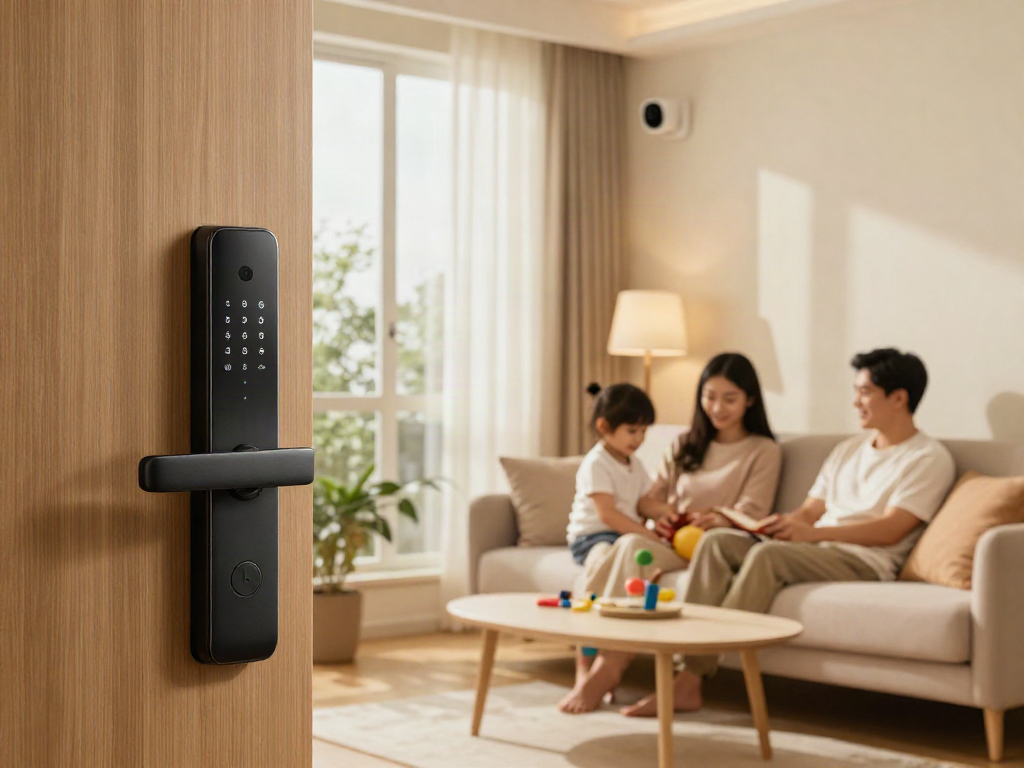
A smart lock is an electronic device that allows you to control your door locks remotely via a smartphone app, key fob, or voice command. Unlike traditional locks, which rely solely on physical keys, smart locks can be operated using Bluetooth, Wi-Fi, or even biometric recognition methods. This technology enables users to grant access to others without needing to be physically present, making it an ideal choice for homeowners who value convenience and security.
How Smart Locks Improve Security
Smart locks offer enhanced security features that far exceed those of standard locks. One significant advantage is the ability to monitor access in real time; homeowners receive instant alerts when someone enters or exits their home. Additionally, features such as encryption protocols and remote locking mechanisms safeguard against unauthorized access. Furthermore, many smart locks provide temporary access codes, allowing guests or service providers to enter without compromising your primary access codes.
Popular Features of Smart Locks
- Mobile App Control: Most smart locks come with an application that allows users to lock or unlock doors remotely, check the status of the lock, and manage various access levels from anywhere.
- Auto-Lock Functionality: Automatically locks the door after a set period, ensuring that you never forget to secure your home.
- Guest Access: Grant temporary or permanent access to friends, family, or service people without needing physical keys.
- Integration with Smart Home Systems: Compatible with various smart home ecosystems, enabling seamless interaction with devices like cameras, alarms, and other home automation tools.
Benefits of Purchasing a Smart Lock in 2026
As we step into 2026, investing in a smart lock offers numerous benefits that extend beyond traditional security. Homeowners can enjoy a multitude of features designed to enhance everyday convenience and safety.
Enhanced Security Features and Convenience
Smart locks provide advanced security features that cater to modern living. The ability to manage your locks from your smartphone means you can let someone in while you're away, thereby eliminating the need for spare keys. Moreover, most models come equipped with backups, such as a physical key option or a keypad, ensuring you’re never locked out in case of a dead battery or connectivity issues.
Cost Savings on Home Insurance
Many insurance companies recognize the added security that smart locks provide and may offer discounts on homeowners insurance premiums when you install one. By reducing the risk of burglary, smart locks can contribute to lower insurance costs, making them a financially savvy investment.
Integration with Smart Home Systems
With the rise of smart home technology, smart locks often work in harmony with other smart devices. This means you can create automated routines, such as locking doors when you leave the house or integrating with security cameras to monitor activity around your home. Such integration not only enhances security but also contributes to a more streamlined and efficient home environment.
Selecting the Right Smart Lock for Your Home
Choosing the perfect smart lock for your home can be overwhelming given the variety of options available. However, understanding key features and comparing brands can make the selection process smoother.
Key Considerations Before Buying
- Locking Mechanism: Determine whether you prefer a deadbolt or a latch-style lock, as this will influence your options.
- Power Source: Most smart locks operate on batteries, so consider the ease of battery replacement and battery life.
- Connectivity Type: Smart locks use different types of connections (Bluetooth, Wi-Fi, Z-Wave), so choose one that fits your home ecosystem.
- Security Features: Look for locks with built-in security features like encryption and alarms for potential tampering.
Comparing Different Brands and Models
Several brands dominate the smart lock market, and each offers unique features. Popular choices include August, Schlage, Yale, and Kwikset. Research and comparison of user reviews, and product specifications are essential to identify which lock meets your needs, especially concerning app functionality and customer support.
Best Practices for Installation and Setup
Proper installation is crucial for the performance of your smart lock. Follow the manufacturer’s instructions carefully, and ensure that the lock is compatible with your door. Use a level to ensure that the lock is aligned correctly, and test it multiple times before completing the installation. Moreover, changing the default codes and passwords immediately is vital to maintaining security.
Future Trends: The Evolution of Smart Lock Technology
The smart lock industry is continuously evolving, with exciting advancements on the horizon that promise to further enhance security and usability.
AI Integration and Advanced Features
Future smart locks are expected to incorporate artificial intelligence, allowing for sophisticated features such as learning user patterns and automating access based on behavior. Imagine a lock that recognizes you and can adjust its security settings accordingly. This trend toward personalization will heighten security and improve user experience.
Predictions for Smart Lock Development by 2026
By 2026, we anticipate that smart locks will feature even greater integration with home automation systems, become more user-friendly, and offer enhanced biometric options like facial recognition or fingerprint scanning. Additionally, sustainability will play a role, with manufacturers likely opting for eco-friendly materials and energy-efficient designs.
Consumer Preferences and Market Trends
As smart home technology becomes increasingly ubiquitous, consumers will likely favor smart locks that offer ease of use, reliability, and comprehensive security features. Market trends suggest a growing preference for locks that seamlessly integrate with existing home devices, catering to a culture of convenience and advanced technology.
FAQs about Smart Locks and Home Security
What makes smart locks secure?
Smart locks are secure due to advanced encryption methods, real-time access monitoring, and the ability to integrate with broader home security systems.
Are smart locks compatible with existing deadbolts?
Many smart locks can be installed in place of existing deadbolts or can be used in conjunction with them, depending on the model you choose.
How do I choose the best smart lock for my needs?
Consider factors like compatibility with your smartphone, desired features, installation requirements, and your preferred locking mechanism when selecting a smart lock.
Can smart locks be hacked?
While no lock is completely hack-proof, smart locks use advanced security protocols to minimize risks. Regular software updates and strong passwords are key to maintaining security.
What is the average lifespan of a smart lock?
The lifespan of a smart lock typically ranges between 5 to 10 years, depending on usage, the quality of the device, and environmental factors.