Understanding CNC Glass Cutting Machines
In the world of glass processing, CNC glass cutting machines stand out as a pivotal innovation. They have revolutionized the industry by offering precision and efficiency that traditional methods simply cannot match. As more glass manufacturers look to optimize their processes, understanding how these machines operate and their myriad benefits can be a game-changer for businesses aiming to enhance productivity and quality.
CNC, which stands for Computer Numerical Control, utilizes computer systems to control machine tools. This technology allows for intricate glass cutting tasks to be performed automatically, improving speed and accuracy. At cnc glass cutting machine facilities, the integration of this technology has not only streamlined operations but has also minimized labor costs and material waste.
What is a CNC Glass Cutting Machine?
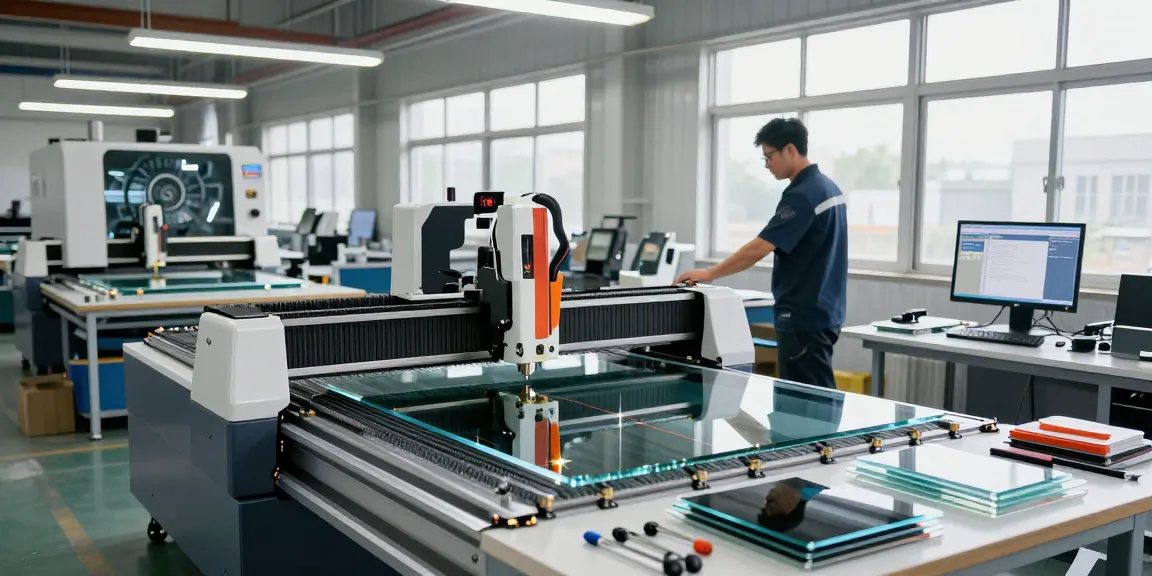
A CNC glass cutting machine is an advanced piece of equipment designed to cut glass into various shapes and sizes with precision. Unlike manual cutting methods, which rely heavily on the skill of the operator, CNC machines follow pre-programmed software, ensuring consistent results with each cut. This technology dramatically reduces the risk of human error, leading to a more efficient manufacturing process.
Key Benefits of CNC Technology in Glass Processing
- Increased Precision: CNC machines can produce cuts to an accuracy of up to 0.1 mm, catering to the intricate demands of modern glass fabrication.
- High Production Speed: Automation allows for rapid production cycles, drastically reducing the time needed for each cutting task compared to traditional methods.
- Reduced Material Waste: With precise cutting, there is less material loss, which translates to cost savings and more environmentally friendly practices.
- Versatility: CNC machines can handle different types of glass, from tempered to laminated, making them suitable for various applications in the industry.
Comparing Traditional vs. CNC Glass Cutting Methods
When comparing traditional glass cutting methods with CNC technology, several differences come to light. Traditional cutting often relies on hand tools, requiring a skilled technician to achieve desired shapes and sizes. This process can lead to inconsistencies, as each technician may have a different cutting style. In contrast, CNC cutting is uniform and repeatable, ensuring that identical products are produced with each cycle.
Furthermore, while traditional methods can involve significant manual labor, CNC technology automates the cutting process. This not only speeds up production but also allows operators to focus on other critical areas of glass processing, such as quality control and finishing.
Features of Advanced CNC Glass Cutting Machines
Precision and Automation Explained
At the heart of CNC glass cutting machines is the sophisticated technology that enables high levels of precision and automation. These machines are equipped with advanced software that controls various aspects of the cutting process, including speed, angle, and depth. This level of control allows manufacturers to create intricate designs and shapes that would be nearly impossible to achieve manually.
Common Features of Modern Machines
- Computer Control Systems: Most modern CNC machines use advanced software for easy programming and operation, providing user-friendly interfaces that can be operated by technicians with minimal training.
- Automated Loading and Unloading: Many machines come with automated systems for loading glass sheets and unloading cut pieces, increasing efficiency and safety.
- Multi-functional Capabilities: Advanced machines can cut, drill, and engrave glass, allowing for a wider range of applications without the need for multiple machines.
- Real-Time Monitoring: Some CNC machines are equipped with sensors that provide real-time feedback on the cutting process, allowing operators to make adjustments on the fly.
Customization Options for Various Applications
A significant advantage of CNC glass cutting machines is their ability to be customized for various applications. From different glass thicknesses to unique shapes and sizes, manufacturers can modify their machines to meet specific production demands. Custom software solutions also enable the programming of complex designs, making CNC technology adaptable for both large-scale production and smaller, bespoke projects.
Best Practices for Operating CNC Glass Cutting Machines
Setup and Installation Tips for Optimal Performance
Proper setup and installation of CNC glass cutting machines are crucial for achieving optimal performance. It’s essential to ensure that the machine is level and securely anchored to prevent vibrations that can affect precision. Additionally, operators should familiarize themselves with the specific software and features of their machines to leverage full capabilities.
Training Operators for Safe and Efficient Use
Training is key to utilizing CNC technology effectively. Operators must understand both the technical aspects of the machinery and best safety practices to minimize the risk of accidents. Regular training sessions not only enhance operator skills but also foster a culture of safety in the workplace.
Maintenance Protocols to Ensure Longevity
Regular maintenance is vital for keeping CNC glass cutting machines in top condition. Operators should follow a structured maintenance schedule that includes cleaning, lubricating moving parts, and checking software updates. Keeping machines in optimal condition not only extends their lifespan but also ensures consistent quality in production.
Challenges in CNC Glass Cutting and Solutions
Common Operating Issues and How to Address Them
Despite their advantages, CNC glass cutting machines can face operational challenges, such as software glitches or mechanical failures. Implementing a robust maintenance schedule and investing in high-quality hardware can mitigate these issues. Additionally, training operators to troubleshoot common problems can help maintain productivity during unexpected downtime.
Cost Considerations for Maintenance and Repair
Understanding the cost implications of owning and operating CNC machines is critical for manufacturers. Regular maintenance can incur ongoing costs, but these are often outweighed by savings in labor and material waste. It’s essential to budget for both routine maintenance and potential repairs to avoid disruptive downtime.
Innovative Solutions to Enhance Efficiency
To further enhance efficiency, manufacturers are exploring innovative solutions such as integrating AI and IoT technologies with CNC machines. These advancements can streamline operations by enabling predictive maintenance, optimizing cutting paths in real time, and providing data analytics for operational insights.
The Future of CNC Glass Cutting Technology
Emerging Trends to Watch in 2026 and Beyond
As we look ahead to 2026, several trends are shaping the future of CNC glass cutting technology. One significant trend is the increasing incorporation of automation and robotics, which will enhance manufacturing capabilities and reduce reliance on manual labor. This shift is expected to lead to greater efficiency and productivity in various glass processing operations.
How AI and Automation are Shaping the Industry
Artificial Intelligence (AI) plays a vital role in driving innovations in CNC glass cutting. With the capability to analyze vast amounts of data, AI can optimize cutting processes, predict maintenance needs, and even generate design recommendations based on past projects. As more companies adopt these technologies, the overall quality and efficiency of glass production will improve significantly.
Predictions from Industry Experts on Next-Gen Innovations
Industry experts predict that the next generation of CNC glass cutting machines will leverage advanced materials and cutting-edge technology to further improve precision and speed. Innovations such as laser-cutting technology combined with CNC systems are expected to become more prevalent, allowing for even more intricate design capabilities and application in previously challenging areas.
What are the benefits of using a CNC glass cutting machine?
Utilizing a CNC glass cutting machine offers numerous benefits including increased precision, reduced labor costs, and minimized waste. These machines facilitate a higher level of customization, enabling manufacturers to produce unique designs efficiently.
How does CNC technology enhance glass cutting precision?
CNC technology enhances precision by using computer programming to dictate exact cutting paths, ensuring consistent, high-quality results that outperform traditional methods.
What maintenance is required for CNC glass cutting machines?
Regular maintenance for CNC glass cutting machines includes lubrication, checking software updates, and cleaning components to ensure optimal performance and longevity.
What industries benefit most from CNC glass cutting technology?
Industries such as construction, automotive, and interior design benefit greatly from CNC glass cutting technology due to the need for precision and customization in their products.
How is the cost of CNC glass cutting machines determined?
The cost of CNC glass cutting machines is influenced by factors such as machine size, capabilities, brand reputation, and additional features offered, including automation and tooling options.