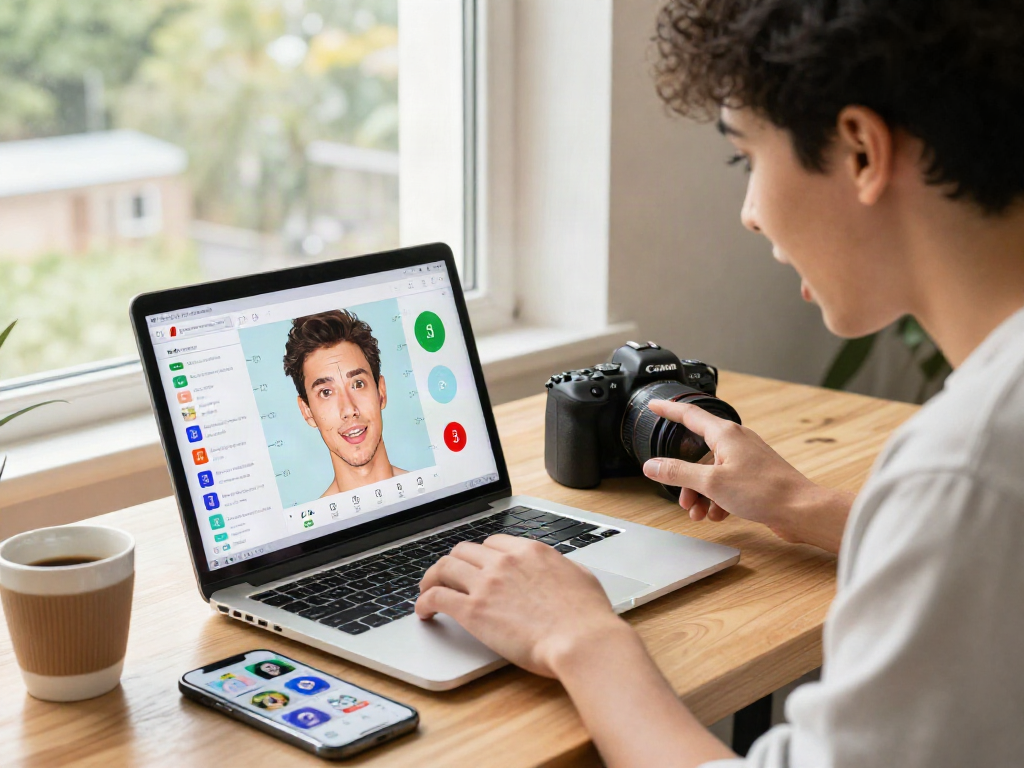
Understanding Age Estimation Technologies
As technology continues to evolve, so too does our ability to analyze and understand human features. One fascinating application of this advancement is in age estimation technologies, which utilize sophisticated algorithms and artificial intelligence to provide insights into how old a person appears based on their facial features. By leveraging these tools, individuals can explore the question, how old do I look in a matter of seconds. This article delves into the various aspects of age estimation technologies, offering insights into their workings, accuracy, and their implications in our daily lives.
What is Age Estimation?
Age estimation refers to the process of determining a person's perceived age based on visual cues, predominantly their facial features. This technology is increasingly being integrated into various applications, from social media filters to beauty and wellness programs. The fundamental premise is that certain facial characteristics—such as wrinkles, skin texture, and other indicators—can reveal information about a person's biological age.
Types of Age Estimation Tools
There are several types of age estimation tools available today, each employing different methodologies:
- AI-Powered Applications: These apps utilize deep learning and neural networks to analyze facial images. They can provide a quick estimate of one's perceived age.
- Web-Based Tools: Online platforms allow users to upload their photos and receive immediate feedback on how old they look, facilitating ease of access.
- Mobile Applications: Many mobile apps are designed specifically for age estimation, often incorporating fun filters and user engagement features.
How Accurate Are These Tools?
The accuracy of age estimation tools can vary significantly based on the technology employed and the dataset used for training. Typically, AI applications trained on diverse datasets yield better results. Most tools offer a range from 70% to 90% accuracy, though factors like lighting, image quality, and facial expressions can affect results. Continuous improvement in machine learning algorithms enhances their reliability over time.
The Science Behind Age Perception
Age estimation is not just a technological marvel; it is deeply rooted in the psychology of perception. Understanding how we perceive age can shed light on why some tools seem more accurate than others.
Psychology of Age Estimation
The perception of age is influenced by a mix of biological and psychological factors. People often draw on cultural stereotypes and personal experiences when judging someone's age. This subjective aspect can lead to discrepancies between actual and perceived age.
Facial Features and Age Indicators
Certain facial features serve as key indicators of age. Common characteristics that age estimation tools analyze include:
- Wrinkles and Fine Lines: The presence and depth of wrinkles are significant indicators of aging.
- Skin Texture: Changes in skin texture, such as roughness or elasticity loss, contribute to age perception.
- Facial Volume: Loss of fat in certain areas, like the cheeks and around the eyes, can make a person appear older.
Cultural Influences on Age Perception
Cultural context plays a substantial role in how we perceive age. For example, in some cultures, certain age markers such as gray hair might be seen as a sign of wisdom and respect, while in others, they may invoke negative perceptions. Understanding these cultural differences is essential for developing accurate age estimation tools.
User Experience with Age Estimation Tools
While the technology behind age estimation is fascinating, how do users engage with it? The overall experience can greatly influence the effectiveness and popularity of these tools.
How to Use Age Estimation Tools Effectively
To maximize the effectiveness of age estimation tools, users should consider several factors:
- Use High-Quality Images: Clear, well-lit photos yield better results compared to poor-quality images.
- Experiment with Different Angles: Different facial angles can produce varying results; experimenting can provide a more accurate estimate.
- Follow Instructions: Many tools have specific guidelines for uploading photos for optimal analysis.
User Feedback and Improvement
Continuous feedback from users is crucial for improving age estimation tools. Many applications incorporate user suggestions and experiences to refine their algorithms, enhancing accuracy and user satisfaction.
Common Mistakes to Avoid
Users should also be aware of common pitfalls when using age estimation tools:
- Ignoring Lighting Conditions: Dim lighting can obscure facial features, leading to inaccurate estimations.
- Using Filters: Applying filters can distort facial features, skewing the analysis.
- Overreliance on Results: While these tools can provide interesting insights, they should not be considered definitive.
Comparing Popular Age Estimation Applications
With many applications available, comparing their features can help users choose the best one for their needs.
Features of Leading Age Estimation Tools
Some of the most popular age estimation tools include:
- FaceAge.ai: Features an intuitive interface allowing users to simply upload photos for instant age analysis.
- Fotor: Offers a fun, interactive way to see how old one looks with no signup required.
- BeautyPlus: Combines age estimation with beauty enhancements in a user-friendly app.
Pros and Cons of Each Application
While these tools offer exciting possibilities, they also come with limitations. For example:
- FaceAge.ai: Pros include fast results, while cons may involve limited personalization options.
- Fotor: Offers a broad range of features, but the accuracy may vary based on user input.
- BeautyPlus: Highly interactive, though may prioritize beauty enhancements over age accuracy.
User Testimonials and Case Studies
User experiences can illuminate the strengths and weaknesses of age estimation tools. For instance, a user might report satisfaction with the quick results from FaceAge.ai but point out a desire for more feedback on improving skin health based on the analysis.
Future Trends in Age Estimation Technology
As technology advances, the future of age estimation tools looks promising. Innovations will likely emerge that enhance accuracy and user engagement.
Emerging Technologies in Age Analysis
Future age estimation tools may integrate augmented reality (AR) and virtual reality (VR) to provide immersive feedback experiences. Additionally, machine learning algorithms will continue to evolve, leading to more refined analyses based on a wider range of facial features.
Predictions for the Next Five Years
In the next five years, we can expect age estimation tools to become commonplace in various industries, including entertainment, health, and marketing. As user acceptance grows, these tools will likely integrate seamlessly with social media platforms, offering real-time analytics for personal branding.
Impacts on Health and Beauty Industries
The health and beauty industries are poised to benefit significantly from age estimation technologies. Skincare companies could tailor products based on demographic analyses, while beauty brands may use these insights for targeted marketing campaigns.
Frequently Asked Questions
What Do Age Estimation Tools Measure?
Age estimation tools primarily measure facial features and skin conditions, providing insights into perceived versus biological age. They analyze factors like wrinkles, skin elasticity, and texture to formulate an estimate.
How Secure is My Data When Using These Tools?
Most reputable age estimation tools emphasize user privacy. Data is often anonymized and used solely for improving service accuracy. Users are encouraged to read privacy policies before engaging with these applications.
Are These Tools Only for Fun?
While many users engage with age estimation tools for entertainment, they also serve practical purposes in skincare, health assessments, and social media engagement.
Can Age Estimation Tools Help in Skincare?
Yes, these tools can guide skincare routines based on perceived age, helping users make informed decisions about product choices and skincare regimens.
What Should I Know About AI Bias in Age Estimation?
AI bias can arise from the datasets used to train algorithms, leading to inaccuracies, especially across different demographics. Users should be mindful of this when interpreting results from these tools and advocate for continuous improvements in this area.