Understanding the Test of Attractiveness
In a world increasingly influenced by social media and visual culture, understanding and assessing personal attractiveness has become a topic of great interest. The test of attractiveness serves as a tool for individuals wishing to gauge their facial appeal based on various scientific metrics. These tests utilize advanced algorithms and AI technology to offer insights that can help users understand how they are perceived by others. As we delve deeper into this fascinating subject, we will explore what constitutes an attractiveness test, how these tests operate, and the significance of the results they provide.
What is an Attractiveness Test?
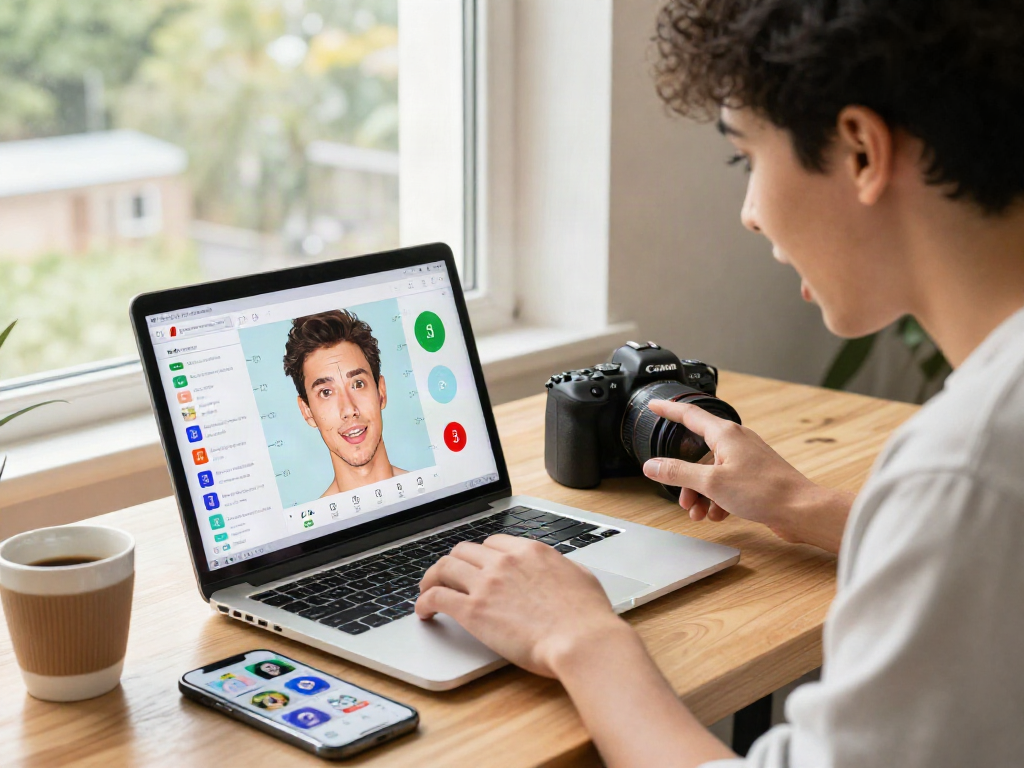
An attractiveness test is a digital assessment tool that evaluates a person's facial features, proportions, and other visual characteristics to yield a score representing their level of attractiveness. Typically, these assessments rely on aspects such as facial symmetry, skin quality, and alignment of features based on established beauty standards. Users are usually required to upload a photo, which the AI analyzes against a series of criteria, providing a score that indicates perceived beauty.
How AI Analyzes Attractiveness
Artificial Intelligence (AI) plays a pivotal role in attractiveness tests. Utilizing machine learning and computer vision, these tools assess numerous facial features—such as the distance between the eyes, the shape of the jaw, and the overall symmetry of the face. By employing advanced algorithms, AI can compare these features to datasets of 'ideal' beauty standards derived from cultural norms and scientific principles. This allows for a comprehensive analysis that transcends subjective opinion, providing users with quantitative insights into their attractiveness.
Common Features of Attractiveness Tests
- Facial Symmetry: Often identified as a key indicator of beauty, symmetrical faces are typically perceived as more attractive.
- Golden Ratio: This mathematical ratio is frequently applied in determining ideal facial proportions, influencing designs in art and architecture, as well as attractiveness assessments.
- Landmark Detection: Modern tests utilize sophisticated technology to detect facial landmarks—points that define facial features—for a more accurate analysis.
- User Feedback: Many platforms offer user-friendly interfaces, enabling immediate feedback and encouraging self-exploration.
The Science Behind Attractiveness
Understanding the underlying science of attractiveness can provide valuable context for the scores generated by these tests. It reveals how perceptions of beauty are influenced by biological, psychological, and cultural factors, helping users navigate their results with more awareness.
The Role of Facial Symmetry
Numerous studies have indicated a strong correlation between facial symmetry and perceived attractiveness. Symmetrical faces are thought to reflect developmental stability and genetic fitness, making them more appealing to potential mates. This perception of beauty is not universally consistent, yet it remains a significant factor in many attractiveness evaluations.
Understanding the Golden Ratio
The Golden Ratio, often denoted by the Greek letter Phi (φ), is approximately 1.618 and has been revered since ancient times for its aesthetically pleasing proportions. In the context of facial features, ratios that align closely with φ are considered more attractive. Many attractiveness tests incorporate these principles to assess scores, providing users with insights based on this timeless mathematical standard.
Perception of Attractiveness Across Cultures
Attractiveness is not a monolithic concept; it varies significantly across different cultures and societies. Factors such as ethnicity, regional standards, and historical context all contribute to how beauty is perceived. For instance, while certain facial features may be favored in Western cultures, those same features might not hold the same value in Eastern cultures. Therefore, a comprehensive attractiveness test considers these variances to provide a more holistic view of an individual's beauty.
Benefits of Taking an Attractiveness Test
Engaging with an attractiveness test can yield multiple benefits beyond mere curiosity about one's physical appearance. The insights gained can facilitate personal development and enhance social confidence.
Enhancing Self-Confidence
Understanding how one's features are perceived can significantly boost self-esteem. Attractiveness tests provide users with objective feedback, helping to counteract internalized insecurities. The knowledge that comes from these tests can empower individuals to embrace their unique characteristics and enhance their self-image.
Utilizing Feedback for Personal Growth
Many people find value in the constructive feedback provided by these tests. Whether it is guidance on improving facial symmetry or tips for better grooming and skincare, this information can facilitate personal growth and boost confidence. Users can use these insights to refine their appearance, aligning their self-image with their aspirations.
Setting Realistic Beauty Standards
In an era dominated by curated social media images, it’s crucial to establish realistic and attainable beauty standards. Attractiveness tests can help individuals recognize that beauty is multifaceted and influenced by numerous factors, encouraging a healthier perception of beauty and self-worth.
Challenges and Misconceptions
Despite their advantages, attractiveness tests come with their own set of challenges and misconceptions that users must navigate to gain the most from their experience.
Overcoming the Fear of Criticism
Many individuals hesitate to take attractiveness tests due to fear of negative feedback. This apprehension can lead to avoidance of self-assessment, impeding personal growth. Acknowledging that these tests offer a starting point for improvement rather than definitive judgment is essential for overcoming this fear.
Misperceptions About Beauty Trends
The beauty industry often propagates narrow standards that can distort self-perception. Attractiveness tests can inadvertently reinforce these misconceptions if users place excessive weight on their scores. It’s crucial to approach the results with a balanced mindset, recognizing that trends fluctuate and that beauty encompasses a range of individuality.
Addressing Privacy Concerns
Privacy is a significant concern when uploading images for analysis. Users must ensure that the platforms they use protect their personal data. A reputable attractiveness test will prioritize user confidentiality and offer secure processing methods. It’s advisable to read terms of service and privacy policies before participation.
Future Trends in Attractiveness Testing
As technology evolves, so too will the landscape of attractiveness testing. Here are some anticipated trends that could shape the future of how we engage with these assessments.
Emerging Technologies in Facial Analysis
Advancements in AI and machine learning are leading to increasingly sophisticated facial analysis techniques. Future tests may incorporate augmented reality to provide users with simulations of potential changes in appearance, enabling a more interactive experience.
Predicted Changes in User Engagement
As understanding of mental health and body positivity continues to grow, user engagement with attractiveness tests may shift. More individuals are likely to seek out tests not just for score-based assessments, but as tools for self-exploration and personal development. This could lead to a more thoughtful and reflective approach to beauty.
The Role of Social Media in Attractiveness Perception
Social media influences how individuals perceive beauty and attractiveness. Platforms that incorporate attractiveness tests may find innovative ways to integrate social sharing features, fostering communities around body positivity and realistic beauty standards.
What is the accuracy of attractiveness tests?
The accuracy of attractiveness tests can vary significantly based on the algorithm and criteria used. While reputable tests strive for precision through comprehensive datasets, users should recognize that personal attractiveness is inherently subjective and cannot be fully encapsulated by a numerical score.
How can I improve my attractiveness score?
Improving an attractiveness score usually involves enhancements in grooming, skincare, and possibly non-invasive cosmetic procedures. Additionally, focusing on self-confidence and good posture can positively influence how others perceive attractiveness.
Are these tests scientifically validated?
While many attractiveness tests are based on scientific principles, validation depends on the quality of the data and algorithms used. Users should research the methodologies of specific tests to ensure they are engaging with scientifically grounded assessments.
Can attractiveness tests influence my personal style?
Yes, the feedback from attractiveness tests can certainly help shape personal style. By understanding which features are highlighted positively, individuals can make informed choices about hairstyles, fashion, and overall presentation that enhance their appeal.
What psychological impacts do these tests have?
Engaging with an attractiveness test can evoke a range of psychological responses, from boosted self-esteem to anxiety about perceived shortcomings. It’s important for users to approach these tests with a healthy mindset, using the feedback as a guide for improvement rather than a measure of worth.