
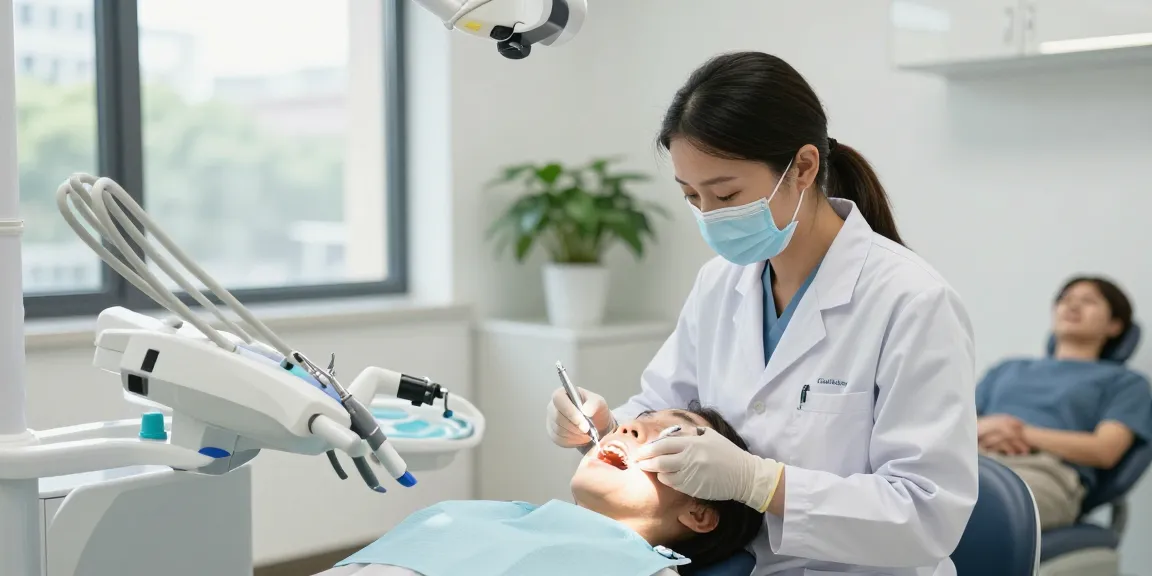
Understanding the Importance of Dental Care
Dental care is not merely a routine; it plays a crucial role in maintaining overall health. Regular dental check-ups help in the early detection of oral diseases and prevent complications that could arise due to neglect. A healthy smile can profoundly impact your self-esteem and confidence, enhancing your quality of life. As we navigate through the dental landscape, it’s essential to understand the significance of visiting a dentist regularly. When exploring options, discover more here to find dental professionals who can cater to your needs.
Why Regular Dental Visits Matter?
Regular dental visits are crucial for several reasons. Firstly, they allow for early detection of any potential oral health issues, such as cavities or gum disease, before they escalate into more severe conditions. Dentists utilize professional-grade tools to clean teeth, removing plaque and tartar buildup that standard brushing might miss. Additionally, routine check-ups help in monitoring existing dental work, ensuring everything remains in good condition.
Common Dental Issues You Shouldn’t Ignore
Ignoring dental issues can lead to serious health complications. Some common conditions include:
- Cavities: Decay that occurs due to plaque buildup.
- Gum Disease: Inflammation of the gums that can lead to tooth loss.
- Tooth Sensitivity: Discomfort in teeth when consuming hot or cold food.
- Bad Breath: A persistent problem indicating underlying dental issues.
- Oral Cancer: Early detection significantly improves treatment outcomes.
The Role of Preventative Care in Oral Health
Preventative care involves regular dental cleanings and treatments that help maintain oral hygiene. This includes fluoride treatments and sealants that protect teeth from decay. A proactive approach to dental care can save time and money while fostering a healthier lifestyle. It reinforces the importance of establishing a consistent dental care routine.
How to Find a Dentist Near You
Finding a dentist doesn’t have to be a daunting task. There are numerous resources available that can help you locate quality dental services in your area. Identifying a practitioner who meets your needs is vital for achieving the best outcomes in your oral health journey.
Essential Tips for Searching Local Dental Services
When searching for a local dentist, consider these tips:
- Ask for recommendations from family and friends.
- Check online reviews and ratings on platforms like Google and Yelp.
- Look for dentists affiliated with reputable dental associations.
- Consider the location and office hours to ensure convenience.
- Verify the dentist’s qualifications and specialties.
Utilizing Online Platforms: Advantages and Disadvantages
Online platforms offer a plethora of options for finding dental care. The advantages include access to patient reviews, easy comparisons of services, and the ability to book appointments at your convenience. However, reliance on online information can sometimes lead to misinformation. It’s essential to cross-reference data and consult with trusted sources.
Key Questions to Ask When Choosing a Dentist
Asking the right questions can significantly impact your choice of dentist. Here are some important inquiries to make:
- What are your qualifications and years of experience?
- Do you offer emergency dental services?
- What insurance plans do you accept?
- Can you provide references from current or past patients?
- What is your approach to preventive care?
The Booking Process Made Simple
Booking an appointment should be a straightforward process, allowing you to focus more on your health rather than logistics. Understanding the steps involved can minimize stress and ensure you receive timely dental care.
Step-by-Step Guide to Scheduling Your Appointment
1. Research local dentists online or through referrals.
2. Check for available appointment slots.
3. Contact the dental office to confirm the appointment.
4. Prepare essential documents, including insurance information.
5. Arrive on time for your appointment for a smooth experience.
What to Expect on Your First Visit
During your first visit, the dentist will typically conduct a thorough examination, which may include X-rays and oral health assessments. You will also discuss your medical history and any specific concerns you have about your dental health. It’s an excellent opportunity to build rapport and establish your dental care plan.
Utilizing Technology for Hassle-Free Bookings
Modern technology has streamlined the appointment booking process. Many dental offices now offer online platforms where you can book appointments, view available slots, and receive reminders. This not only saves time but also allows for flexibility in managing your schedule.
Patient Experiences and Testimonials
Understanding patient experiences can provide valuable insights into the quality of care you can expect. Testimonials from fellow patients often highlight the strengths and weaknesses of dental practices.
Real Stories: How Dental Care Changed Lives
Many patients have transformative stories about their dental journeys. Some have overcome severe dental anxiety through supportive treatment, while others have shared how dental work has restored their confidence and improved their overall health.
Analyzing Patient Reviews: What They Reveal
Patient reviews can reveal critical information regarding a dentist’s approach to care, office environment, and staff professionalism. While positive reviews highlight strengths, negative feedback can indicate potential issues that might need to be addressed.
The Impact of Trust in Patient-Dentist Relationships
Establishing trust creates a more comfortable environment for patients, encouraging open communication about concerns and treatment choices. A dentist who prioritizes transparency and patient satisfaction is more likely to foster long-term relationships.
Future Trends in Dentistry
As technology advances, the field of dentistry continues to evolve. Understanding these trends can help patients prepare for what to expect in the coming years.
Emerging Technologies Shaping Dental Care
Technological advancements such as AI-driven diagnostics, 3D printing for prosthetics, and virtual consultations are revolutionizing dental care. These innovations aim to enhance patient experience while increasing treatment efficiency.
The Rise of Tele-dentistry in 2026
Tele-dentistry has gained traction recently, offering patients the ability to consult with their dentists remotely. This option is particularly advantageous for those with mobility challenges or those living in remote areas. As this trend rises, it may become a standard component of dental care.
Predicting Changes in Patient Expectations and Services
As patient awareness increases, expectations for personalized care are rising. Patients will likely seek practices that offer tailored treatment plans and prioritize overall wellness, including preventative care strategies that integrate holistic health approaches.
How Can I Find the Best Dentist for My Needs?
To find the best dentist tailored to your personal needs, evaluate your priorities and preferences. Consider factors such as location, specialization, and patient feedback.
What Should I Bring to My Dental Appointment?
During your dental visit, bring the following items:
- Your insurance card (if applicable).
- A list of medications you are currently taking.
- Any medical records that might be relevant.
- Your questions or concerns to discuss with the dentist.
How Often Should I Schedule Dental Cleanings?
Generally, dentists recommend scheduling cleanings every six months. However, some individuals with specific health conditions may require more frequent visits. It’s essential to consult with your dentist for a personalized schedule.
What Questions Should I Ask My Dentist During Visits?
Engaging with your dentist during visits is beneficial. Some questions to consider include:
- What are the signs of oral health issues I should watch for?
- How can I improve my dental hygiene routine?
- What treatment options do you recommend for my current condition?
How Can I Prepare for a Dental Procedure?
Preparing for a dental procedure involves several steps. Ensure you understand the procedure, ask any questions you may have, and follow pre-appointment instructions regarding nutrition or medication adjustments.