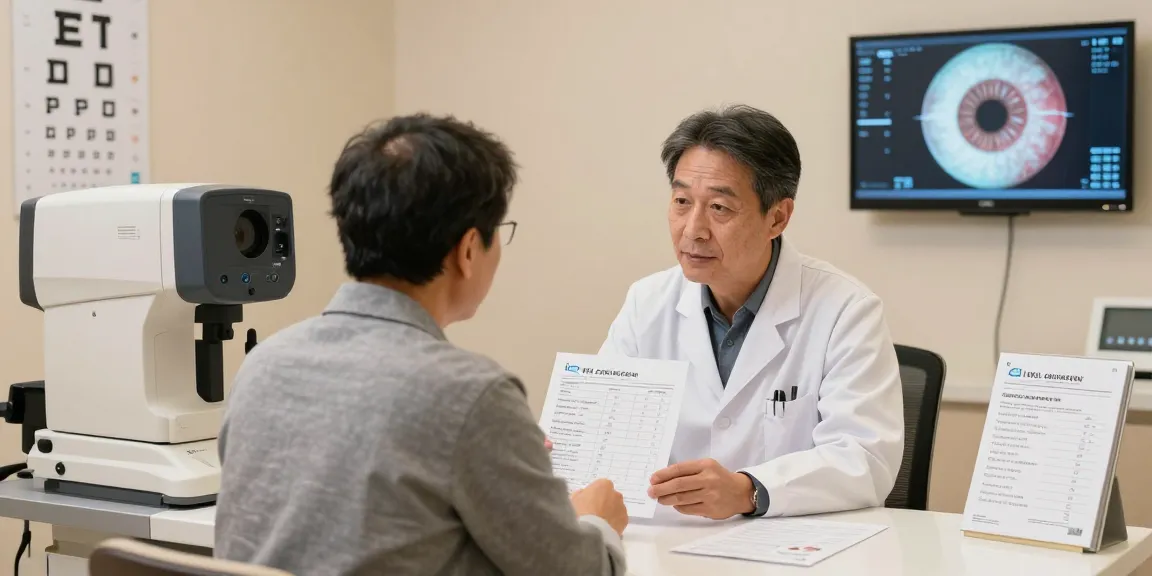

Hair loss can be a distressing issue for many individuals, affecting self-esteem and confidence. In recent years, Turkey has emerged as a global leader in hair transplantation, offering advanced techniques and competitive pricing. With an estimated one million people traveling to Turkey annually for hair restoration, the country has become synonymous with quality care and results in this specific medical service. This comprehensive guide explores various aspects of hair transplant procedures in Turkey, including types of techniques, costs, preparation, aftercare, and more, equipping potential patients with valuable information for their hair restoration journey. When exploring options, hair transplant turkey provides comprehensive insights into various clinics and services available.
Understanding Hair Transplantation Techniques in Turkey
What Is Hair Transplantation?
Hair transplantation is a surgical procedure that involves moving hair follicles from one part of the body, known as the donor site, to a balding or thinning area, known as the recipient site. The primary objective is to restore hair growth in areas affected by hair loss, with results typically appearing natural and permanent. The most common reasons for hair transplantation include male and female pattern baldness, trauma, or scarring.
Popular Methods: FUE and DHI
There are two predominant hair transplant techniques used in Turkey: Follicular Unit Extraction (FUE) and Direct Hair Implantation (DHI). FUE is a minimally invasive method where individual hair follicles are extracted from the scalp and transplanted into the bald areas. This technique is favored for its quick recovery and minimal scarring. On the other hand, DHI involves using a specialized pen-like instrument to implant hair follicles directly into the recipient area without the need for prior slits or incisions, leading to a more natural-looking result. Each method has its benefits and is chosen based on individual patient needs and clinic recommendations.
Advantages of Choosing Turkey for Hair Transplants
Turkey is renowned for its affordable hair transplant options. The cost of procedures is significantly lower compared to North America or Western Europe, making it an attractive destination for medical tourists. Moreover, many clinics in Turkey utilize advanced techniques and technologies that have been proven to yield excellent results. The country boasts a variety of experienced surgeons who specialize specifically in hair restoration. Additionally, most clinics offer all-inclusive packages that cover pre-operative consultations, surgery, accommodation, and post-operative care.
Cost Analysis of Hair Transplants in Turkey
Overview of Hair Transplant Prices by Graft Quantity
The cost of hair transplant surgery in Turkey typically ranges between $950 to $3,500 depending on the number of grafts required and the complexity of the procedure. For example, a transplant involving 3,000 grafts usually costs between $2,200 and $4,500. On average, each graft may range from $0.20 to $0.85, making it a cost-effective solution for many individuals experiencing hair loss.
What Influences Hair Transplant Costs?
Several factors determine the cost of hair transplantation in Turkey. These include the number of grafts required, the technique used (FUE or DHI), the reputation and experience of the clinic, and any additional services included in the package such as accommodation, transfers, or post-operative care. Patients should be cautious of exceptionally low prices, as they may indicate inferior quality or inexperienced practitioners.
Comparative Costs: Turkey vs. Other Countries
When compared with hair transplant costs in countries like the United States or the United Kingdom, Turkey offers a significantly more economical option. For instance, a similar hair transplant procedure in the UK could cost upwards of $8,500, while the equivalent in Turkey might only range from $2,500 to $4,000. The cost-efficiency coupled with the quality of care makes Turkey a favored destination for individuals seeking hair restoration.
Preparing for Your Hair Transplant Journey
Eligibility Criteria for Hair Transplantation
Not everyone is a suitable candidate for hair transplantation. Ideal candidates typically include individuals who are experiencing male or female pattern baldness or have thinning hair due to age, genetics, or injuries. During consultations, doctors will evaluate eligibility based on the donor area’s quality and density, overall health, and specific hair loss patterns. Early intervention often yields the best results, so those considering this option should seek professional advice sooner rather than later.
Important Pre-Procedure Preparations
Preparation for hair transplantation involves several steps to ensure the procedure’s success. Patients are advised to avoid blood-thinning medications, alcohol, and smoking for a few days leading up to the surgery to minimize the risk of bleeding. It is also recommended to maintain a healthy diet and hydration, as this supports optimal healing conditions post-surgery. Patients should wear loose, comfortable clothing on the day of surgery to facilitate ease during the procedure.
Consultation Expectations with a Surgeon
The initial consultation is a vital stage in the hair restoration process. Patients can expect a thorough medical evaluation, including discussions about their hair loss history, current health status, and family history of hair loss. The surgeon will outline potential outcomes, expectations, and the procedures that will be utilized. This meeting is also an opportunity for patients to address any concerns or questions they might have regarding the process or post-operative care.
Post-Procedure Care for Optimal Results
Essential Aftercare Tips and Recommendations
Post-operative care is critical to ensuring the success and longevity of hair transplants. Patients should avoid touching or scratching the transplanted area, refrain from washing their hair for the first three days, and protect their scalp from sunlight and harsh environmental factors. Following the surgeon’s guidelines about medications and aftercare products is essential for optimal healing and is typically reinforced through follow-up appointments.
What to Avoid After Hair Transplant
After undergoing a hair transplant, patients should avoid strenuous activities, swimming, and exposing the scalp to direct sunlight for at least two weeks. Ensuring that hair follicles remain undisturbed during the initial healing stages is vital. Additionally, avoiding alcohol and tobacco will contribute positively to the healing process and long-term outcomes.
Follow-Up: Ensuring Long-Term Hair Health
Follow-up appointments are fundamental in monitoring the healing process and to assess the success of the hair transplant. Surgeons typically recommend visits at specific intervals after the procedure to ensure that patients achieve the desired results. Additionally, addressing any unexpected symptoms promptly can help mitigate complications in the healing process.
Addressing Common Concerns and Misconceptions
How Long Does a Hair Transplant Last?
The results of hair transplant surgery are generally permanent; however, patients may continue to experience natural hair loss in untreated areas. Many patients see significant regrowth within 3 to 6 months post surgery, with full results manifesting between 9 to 12 months. It is essential to maintain realistic expectations and understand that individual results may vary depending on factors such as genetics and hair care routines.
Understanding Graft Quantity and Density
A graft is a unit of hair follicle tissue that can consist of one or more hairs. The average hair transplant requires anywhere from 1,500 to 6,000 grafts, depending on the severity of hair loss and the aesthetic goals of the patient. Understanding the relationship between graft quantity and expected hair density is crucial for patients to set realistic expectations regarding the final results of their procedure.
What Patients Say About Their Experience in Turkey
Patient reviews often highlight the affordability, quality of care, and successful outcomes associated with hair transplants in Turkey. Many patients report satisfaction with the professionalism of the medical staff, the thoroughness of pre-and post-operative care, and the overall transformation that results from the procedure. Personal testimonials can provide reassurance for those considering hair restoration as they underscore favorable experiences and realistic results.
FAQs
What Should I Consider Before Getting a Hair Transplant?
Before proceeding with a hair transplant, individuals should consider their hair loss patterns, health status, and willingness to commit to post-operative care. Researching potential clinics, verifying surgeon credentials, and discussing realistic expectations during consultations are critical preparations before undergoing surgery.
How is the Healing Process After Hair Transplantation?
The healing process can vary between individuals, but typically patients may experience some swelling, redness, and minor discomfort in the initial days following surgery. Most patients return to normal activities after about a week. Following the surgeon’s aftercare instructions can significantly enhance the healing experience and the overall success of the procedure.
Is Hair Transplantation Safe?
Hair transplantation is considered a safe procedure when performed by qualified and experienced surgeons. For more information, https://www.bukclinic.com/hair-transplant-turkey/ offers valuable insights. While risks do exist, such as infections or complications during the healing process, following pre-and post-operative guidelines minimizes these risks significantly. Regular follow-ups with medical professionals can provide ongoing care that helps ensure a smooth recovery.